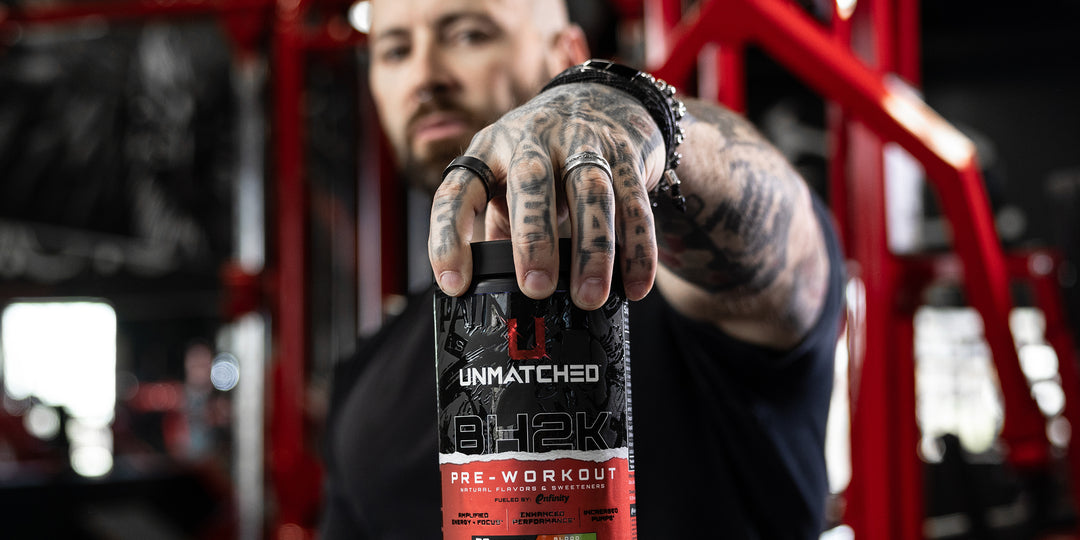
Longevity Multi+
LONGEVITY MULTI +
Multivitamin/Mineral
Vitamin A (as retinyl acetate, beta carotene)
Vitamin A can come in several forms. Retinyl acetate is a highly bioavailable form of vitamin A that is essential for maintaining healthy skin, supporting the immune system, and promoting vision. Beta carotene is a precursor to vitamin A, meaning that it is converted to vitamin A in the body. It can act as a powerful antioxidant, protecting the cells from free radical damage. Both compounds are vital for overall well-being, vision, immune support, and skin health.
Vitamin C (as ascorbic acid, ascorbyl palmitate)
Ascorbic acid (Vitamin C) and ascorbyl palmitate (a fat-soluble form of Vitamin C) both provide significant health benefits, but they work slightly differently in the body. Ascorbic acid is a water-soluble form of Vitamin and can act as a powerful antioxidant that helps protect cells from free radical damage, boosts the immune system, and promotes collagen synthesis, supporting skin health and wound healing. It also can enhance iron absorption and contributes to overall cardiovascular health by reducing oxidative stress. Ascorbyl palmitate is a fat-soluble derivative of Vitamin C. It is more stable and can integrate into cell membranes, offering longer-lasting antioxidant protection. It is especially beneficial for skin health, as it can penetrate the lipid barrier of the skin to promote collagen production, reduce wrinkles, and protect against UV-induced damage.
Vitamin D (as cholecalciferol)
Vitamin D, in its various forms, is not an essential nutrient – as it is produced endogenously within the body, as a reaction to the skin’s exposure to the sun – and thus not commonly considered a vitamin. Despite its technical classification, vitamin D (a hormone), is nevertheless an import and biologically active compound, necessary for calcium homeostasis and metabolism, along with increasing the absorption of magnesium and phosphate.
Vitamin E (as d-alpha tocopheryl succinate)
D-alpha tocopheryl succinate is a natural, fat-soluble form of vitamin E with several health benefits, particularly as an antioxidant. It can help protect cells from oxidative damage by neutralizing free radicals, which can support overall cellular health and reduce the risk of chronic diseases. Additionally, this form of vitamin E is known for its ability to support immune function and cardiovascular health, helping to reduce inflammation and improve blood circulation. Some research also suggests that this form of vitamin E may have anti-cancer properties, as it promotes apoptosis (programmed cell death) in certain types of cancer cells, while supporting normal cell growth and integrity.
Vitamin K (as menaquinone-7)
Menaquinone-7 (MK-7) is a highly bioactive form of vitamin K2 that offers several important health benefits, particularly for bone and cardiovascular health. For bone health, MK-7 plays a crucial role in activating osteocalcin, a protein that binds calcium to bones, which can improve bone density and reduce the risk of osteoporosis. Regarding cardiovascular health, it can help prevent the calcification of arteries by activating matrix GLA protein (MGP), which inhibits calcium from depositing in blood vessels. This function can support healthy blood circulation and may reduce the risk of atherosclerosis and other heart-related conditions. Due to its longer half-life in the body compared to other forms of vitamin K, menaquinone-7 is particularly effective for long-term bone and heart health support.
B Vitamins (Vitamin B1 (as thiamine hydrochloride), Vitamin B2 (as riboflavin-5’-phosphate), Vitamin B3 (as niacinamide), Vitamin B6 (as pyridoxal-5’-phosphate monohydrate), Folate (as Quatrefolic® (6S)-5-methyltetrahydrofolic acid, glucosamine salt), Vitamin B12 (as methylcobalamin), Biotin, Pantothenic Acid (as d-calcium pantothenate))
These B vitamins offer exceptional bioavailability and play crucial roles in energy production, brain health, and overall metabolic function:
• Vitamin B1 (Thiamine Hydrochloride): Supports energy production by converting carbohydrates into energy and promotes healthy nervous system function.
• Vitamin B2 (Riboflavin-5’-Phosphate): Aids in energy production and helps with the metabolism of fats, carbohydrates, and proteins. It also acts as an antioxidant.
• Vitamin B3 (Niacinamide): Improves cellular energy production while also regulating cholesterol levels.
• Vitamin B6 (Pyridoxal-5’-Phosphate Monohydrate): Vital for brain development and immune function. Helps with neurotransmitter synthesis and the metabolism of amino acids.
• Folate (Quatrefolic®): Supports DNA synthesis, cell division, and is critical for prenatal health. The active form of folate, 5-MTHF, is better absorbed.
• Vitamin B12 (Methylcobalamin): Essential for nerve health, DNA synthesis, and the production of red blood cells, helping prevent anemia.
• Biotin: Supports healthy hair, skin, and nails, while also assisting in carbohydrate and fat metabolism.
• Pantothenic Acid (D-Calcium Pantothenate): Important for the synthesis of coenzyme A, aiding in energy metabolism and the production of hormones like cortisol.
Together, these vitamins enhance energy levels, support cognitive and cardiovascular health, and improve skin, hair, and nail health.
Calcium (as dicalcium malate (DimaCal®))
While best-known as the main bioactive in milk, and a compound that contributes to strong bones, calcium has numerous physiological effects in the body – including mediating vascular contraction and vasodilatation, muscle function, nerve transmission, intracellular signaling, and hormonal secretion. Homeostatic regulation of calcium, which the body cannot produce, requires sufficient levels of vitamin D.
When present in sufficient amounts, calcium is necessary for the adequate formation, function, and remodeling of both bone and teeth. Insufficient levels of calcium are associated with degenerative bone and joint disorders such as osteoporosis, wherein bone accretion slows or stops; thereby reducing bone mass and density and decreasing bone strength.
Iodine (as potassium iodide)
Iodine is a trace element naturally present in certain foods, including kelp. Iodine is a critical component for fetal development, especially during early pregnancy, as maternal T4 (thyroxine) is the sole source of fetal thyroid hormone. After birth, especially if breast-feeding, iodine remains an important constituent of a balanced diet to maintain adequate T3 (triiodothyronine) and T4 (thyroxine) levels in the mother and for the proper cognitive development in the child.
As implied, however, the most important of iodine’s functions is assisting the body to produce and maintain healthy levels of both thyroid hormones and TSH (thyroid stimulating hormone, released by the pituitary). The thyroid hormones, in turn, regulate several critical biochemical reactions, including protein synthesis, and, along with norepinephrine/epinephrine, largely determine the body’s metabolic rate.
Magnesium (as dimagnesium malate)
It is difficult to overstate the biological necessity of magnesium. Magnesium is a co-factor in over 300 enzymatic reactions that regulate essential physiological functions such as protein synthesis, glucose homeostasis, muscle and nerve function, and the maintenance and support of healthy blood pressure levels.
Magnesium is also required for the use of the body’s energy currency, ATP. To become biologically active, ATP must be bound to magnesium to form Mg-ATP. In addition, magnesium is necessary for the proper function of cells with calcium and potassium gated ion channels such as heart and muscle cells.
In men, magnesium (along with zinc) is necessary for the maintenance of healthy levels of testosterone.
Zinc (as zinc citrate)
Zinc citrate is a highly bioavailable form of zinc that offers benefits for immune function, skin health, and cognitive function. Zinc is essential for proper immune function, helping to maintain the activity of immune cells and reducing the severity and duration of colds and infections.
Zinc is also involved in collagen synthesis and tissue repair, making it crucial for maintaining healthy skin and promoting faster wound healing.
Playing a role in neurotransmitter function, zinc can be essential for supporting memory, focus, and mood regulation.
Selenium (as l-selenomethionine)
L-selenomethionine is an organic form of selenium, an essential trace mineral, that offers several health benefits due to its high bioavailability:
For antioxidant support, selenium is a key component of glutathione peroxidase, an important enzyme that helps protect cells from oxidative stress and damage caused by free radicals, thus supporting overall cellular health.
Selenium also plays a crucial role in the conversion of thyroid hormones (T4 to the active T3), promoting healthy thyroid function and metabolism.
Its high absorption rate makes L-selenomethionine an effective form of selenium for supporting antioxidant defense, thyroid health, and immunity.
Manganese (as manganese citrate)
Manganese is a required element for not only humans, but all living organisms. Manganese primarily acts as an antioxidant, specifically scavenging a radical oxygen species known as superoxide.
Chromium (as chromium polynicotinate)
Chromium polynicotinate is a form of chromium bound to niacin (vitamin B3) that offers several health benefits, particularly for blood sugar regulation and metabolic health. It can help improve insulin sensitivity, making it useful for people with insulin resistance. By aiding glucose metabolism, it can stabilize blood sugar levels and reduce sugar cravings, which may also support weight management. Additionally, chromium polynicotinate is often preferred over other forms of chromium due to its superior absorption and lower risk of toxicity.
Molybdenum (as molybdenum glycinate chelate)
Molybdenum is an essential trace element, involved in at least four enzymatic reactions necessary for urea excretion and several other physiological functions.
Spectra®
Spectra™ is the first scientifically validated formula of fruits, vegetables, and herbs shown to inhibit free radical production, optimize cellular metabolic activity, and increase nitric oxide levels within our bodies
Spectra™ represents the latest evolution in the fight against potentially damaging free radicals. For the first time anywhere, the biological effects of a natural supplement on the changes of oxidative and nitrosative stress markers, as well as cellular metabolic activity, have been clinically observed in the human body. Spectra™ has been reported to decrease ROS, increase cellular oxygen consumption in blood and mitochondria, decrease extracellular H2O2, and reduce TNFα-induced inflammatory response in humans.
Omega 3 Fatty Acids
Nitrogen Barrier Production
Oil derived from marine animals – commonly referred to as “fish oils” – are widely consumed for the high amounts of polyunsaturated fatty acids (such as DHA and EPA) that they contain and the potential health benefits that these fatty acids confer. Unfortunately, polyunsaturated fatty acids are notoriously unstable: they are composed of double bonds between carbon atoms, a chemical structure that is notoriously susceptible to oxidation. (Oxidation is the process of producing oxygen species because of a compound’s exposure to oxygen.)
For fish oil, oxidation has a few deleterious effects – principally, the production of hydroperoxides (the first step in oxidation) and secondary oxygen products not only produce the rancid, “fish” smell typically associated with lower quality fish oil products; but perhaps more importantly, in breaking the double bond structure of the fish oil, these oxygen species degrade the integrity of the product and thus reduce their potential health benefits. The oxidation degradation is unfortunately widespread. One study found that 50% of 171 fish oil supplements in Canada exceeded the limits for at least one measure of oxidation, and 39% exceeded the international voluntary safety recommendations for total oxidation (TOTOX value).” Another study found that approximately 29% of fish oil supplements in the United States similarly exceeded recommended values.
Luckily, research has shown that reducing the exposure of fish oils to oxygen and environmental factors (humidity and temperature fluctuations) during the production process can significantly mitigate oxidation. One of the most effective ways to reduce oxygen exposure is to blanket the oil, as soon as it’s processed and produced, in an inert gas such as argon or nitrogen – thereby preventing the fish oil from encountering oxygen at all. While exact values will vary by product, research has shown that both primary oxidation (the production of hydroperoxides, measured in peroxide value, PV) and secondary oxidation (measured in TOTOX (total oxidation value) and a-nsidine values) are vastly reduced through a nitrogen blanket or barrier.
In sum, producing fish oils under a nitrogen blanket or barrier not only reduces the rancid smell typically associated with fish oil products; but vastly extends their shelf life and integrity.
Triglycerides vs Ethyl Ester Forms
We have established that how fish oils are produced may impact their viability as a dietary supplement. But the production process is not the only salient factor in fish oil efficacy and viability – the form that a fish oil takes is paramount, as well. Specifically, the differences between triglycerides and ethyl esters may be formative in how fish oils are absorbed and confer their potential health benefits.
First, a little primer on what triglycerides and ethyl esters are. Triglycerides are a molecular form common to almost all plant and animal species: a glycerol backbone with three fatty acids (in the case of fish oils, EPA, and DHA) attached to them. For example, the “stuff” of human adipose (fat) tissue is triglycerides. Ethyl Esters, on the other hand, lacks a glycerol backbone – they are a single fatty acid molecule attached to an ethanol molecule. Unlike triglycerides, ethyl esters are not a natural molecular form and formed solely through chemical synthesis.
While the difference between triglycerides and ethyl esters as applied to fish oil may seem academic, it in fact has profound implications for the absorption and bioavailability of these oils. In very condensed form, the issue is twofold: how the fish oil is taken up into the bloodstream (absorption) and how it is made available to cells once that has occurred (bioavailability). In both contexts, there is evidence that triglycerides are superior to the ethyl ester form.
For bioavailability, the issue is how the small intestine breaks down each form of fish oil. As a natural product, our bodies are intrinsically capable of breaking down triglycerides via bile salts and pancreatic lipase. Once ingested, pancreatic lipase and bile salts are released, and in the small intestine, the triglyceride is broken down into so-called emulsion droplets – which can then easily be broken up, detaching the two fatty acid molecules from the glycerol backbone. Not so with ethyl esters. Not only is pancreatic lipase (by some estimates) 50% less effective in breaking down ethyl esters; but once digested, ethyl esters must be converted into triglycerides through the liberated fatty acids attaching to a glycerol molecule. Essentially, your body must reverse the entire metabolism of ethyl esters, then go through the normal triglyceride metabolism.
The biochemical differences between triglycerides and ethyl esters have been demonstrated in trials examining bioavailability and absorption efficiency. One study found that, when ingested in triglyceride form, EPA and DHA levels were 340% and 271%, respectively, as compared to the ethyl ester form. Additional research has found a 25% increase in plasma EPA and DHA levels over a six-month period; that ethyl esters are “poorly absorbed” by man; and that triglyceride form fish oils suffer less oxidation (on shelf) than the ethyl ester form.
EPA and DHA
Now that we know why producing fish oils under nitrogen barrier protects the integrity of fish oil, and why triglycerides are superior to ethyl esters, we have only one major question left: what benefits do fish oils (specifically, EPA and DHA) pose to humans?
Eicosapentaenoic acid (EPA) and docosahexaenoic acid (DHA) have myriad health benefits, but their best-studied (and approved by the FDA) use is to balance and maintain healthy triglyceride levels. Triglycerides, as we mentioned, are produced naturally by most animals. They are necessary for a wide range of physiological functions, but their overabundance is implicated in several pathological conditions. Consequently, ingesting external forms of triglycerides – such as fish oils – can help balance triglycerides and maintain healthy levels. In perhaps the most robust meta-analysis to date, researchers examined 11 randomized human trials, comprised of 485 total individuals with a mean age of 25 to 49. The meta-analysis found robust evidence that DHA, specifically, exerts a significant triglyceride lowering and balancing effect. A similar meta-analysis focused on EPA found that its effects were comparable to DHA.
Both polyunsaturated fatty acids are best known for their triglyceride-lowering function, each exerts other interesting effects as well. Significant evidence suggests that EPA and DHA may mitigate the production of pro-inflammatory cytokines, molecules responsible for inducing the inflammation cascade in the body. Other studies suggest high levels of brain DHA are associated with verbal fluency and memory in healthy, normal adults – with one study finding that 6 months of DHA supplementation in young, healthy adults increased working memory assessed by recall.
One of fish oil’s (specifically, EPA’s) effects that may be of interest to fitness and physique athletes is its ability to induce AMPk (adenosine monophosphate kinase). AMPk, otherwise known as the “master metabolic switch,” is a heterotrimeric enzyme responsible for energy catabolism in muscle and fat cells. When activated, AMPk increases lipolytic (the catabolism of fat tissue) signaling as a means of energy provision. Several studies demonstrate that high levels of EPA indirectly stimulate AMPk activation via decreasing PPARy.
Though less well-studied or confirmed, emerging research suggests that DHA and EPA levels may be formative in maintaining healthy and normal moods, due to altering certain neurological proteins. This literature requires follow-up and replication but show promise in establishing a new purpose for DHA and EPA supplementation.
Brain/Nootropic
Bacopa Extract (50% Bacopasides) (Bacopa monnieri L.) (Leaf)
Bacopa monnieri, also known as the water hyssop, commonly, or as Brahmi in Ayurvedic texts, is a small creeping herb endemic to sub-tropical India. The herb has been used in traditional Indian medicine for well over one thousand years, with its first recorded usage coming in the 6th century A.D. In this traditional context, BM has been used for a wide range of purposes, including as a treatment of asthma and epilepsy.
More recently, BM has been the subject of numerous cognition and memory trials, as the plant has a well-established nootropic effect. Likely through modulation of the serotonin reuptake system, clinical trials in healthy humans have demonstrated that BM possesses a significant effect on the retention of newly learned information. In several trials utilizing a 300mg daily serving, BM was also shown to decrease the recall delay of newly learned information and reduce short term forgetfulness – suggesting that the herb’s effect on the serotonic and cholinergic systems are increasing the encoding (the literal storing) of memory information.
Beyond cognition and memory encoding, BM has also been demonstrated to function as a potent adaptogen and relaxant – which in the Unmatched LONGEVITY MULTI + brain formula may help to smooth the effect curve of the product’s stimulants, reducing jitteriness or, “crash.”
Cognizin® Citicoline
Choline is an essential nutrient involved in numerous metabolic pathways, including DNA regulation and repair, protein function, and metabolism. Perhaps most importantly, the critical neurotransmitter acetylcholine is produced directly from free choline via cholinergic neurons. Acetylcholine is then responsible for several functions itself, most crucially as the compound which induces muscular contraction, and as the neuromodulator partially responsible for modulating risk/reward, arousal, and enhancing memory.
Choline’s essential role as a substrate for acetylcholine, and therefore brain development, is well documented in animal models. These studies demonstrate that levels of free maternal choline have a direct and fundamental impact on prenatal brain development, with the enhancements or deficits lasting into adulthood. Choline’s enhancing effect is particularly prominent in the hippocampus. In humans, the hippocampus is primarily involved in the consolidation of memory (taking short, episodic memory and translating it into long-term memory) and the learning of new information. Acetylcholine is a critical component in these processes, as mentioned above, and choline may therefore play a potential role in these processes as well by providing the substrate for acetylcholine synthesis.
Citicoline (Cytidine 5’-diphosphocoline), also known as CDP-choline, is a potentially superior form of choline due to its ability to cross the blood brain barrier. In fact, most studies with neurological or nootropic effects used this form. In that regard, studies in otherwise healthy, normal adults demonstrated meaningful and statistically significant impacts on working memory, recall, and attention. We have chosen to use the clinically tested, Cognizin®, in this premium formula as our primary choline source. Unlike other synthetic stimulants that can cause a rapid decline in effectiveness after an initial burst of energy, Cognizin® can offer critical nutritional support for the brain that can help support needed focus and attention.
Sabroxy® Extract (Oroxylum indicum) (bark) (10% Oroxylin A)
Sabroxy® is a clinically studied standardized extract from of bark of the Indian trumpet tree (Oroxylum indicum). Containing a minimum of 10% Oroxylin A, this ingredient has shown abilities to improve memory as well as support the brain and nervous systems neuronal functions. Oroxylin A is a naturally occurring plant flavonoid that has been shown to possess the benefits of improving focus and motivation, increasing cognitive function, supporting balanced inflammation levels, and supporting an optimally functioning immune system. In the context of nootropic benefits, oroxylin A exhibits a mechanism of action that modulates the production of brain derived neurotrophic factor (BDNF) in cortical neurons by the transactivation of cAMP response element binding protein. BDNF is essential as it is the main protein found in the brain and spinal cord and promotes the survival of nerve cells by playing a role in their growth, maturation, and maintenance. It also can protect the body’s nerves from excessive amounts of chemical damage. This reduced damage to delicate neurons and their connecting channels allows for strong and efficient neurotransmission leading to healthy and optimal cognition.
Huperzia serrata Extract (Std. 1% Huperzine A)
Huperzia serrata is a compound found in the plant families of Huperziaceae, Lycopodiaceae, and Selaginella and is endemic to China. The Lycopodium alkaloid Huperzine-A found here was first isolated from a folk medicinal preparation in 1984.
This potent compound has been evaluated in numerous in vitro, in vivo, and human trials. These data suggest that Huperzine A’s mechanisms of action are most potent in the cortex, hippocampus, and striatum (at least in rats) – key regions in the brain responsible for forming, coordinating, and recalling memory. These effects are assisted by Huperzine A’s high oral bioavailability. Studies using microdialysis technique in rats, for example, showed that the response to Huperzine A was dose-dependent and substantially lowered the level of ACh in cortex.
Huperzine A has also shown promise in humans. Referred to as an inhibitor of acetylcholinesterase, Huperzine A has shown positively impact cognition and memory. This is partly due to its inhibitory factors on acetylcholinesterase (an enzyme that breaks down acetylcholine), which results in an increase in acetylcholine. Acetylcholine is known as a learning neurotransmitter so increased levels can be beneficial towards memory, and other neural improvements. In another study on memory and learning performance, 34 pairs of middle school students complaining of memory inadequacy were given a small dose of Huperzine A. The students were then match paired along several vectors and provided tests on working memory. The results of this study exhibited that HupA markedly improved the memory function of adolescent students.
Gut/Probiotic
Chicory Root Fiber (Inulin)
Inulin, extracted from chicory root, is a versatile soluble fiber that offers significant benefits for gut health, primarily due to its role as a prebiotic. As a prebiotic, inulin serves as food for beneficial gut bacteria, particularly Bifidobacteria and Lactobacilli, which are important for maintaining microbiome balance within the gut. A healthy gut microbiome can promote better digestion, improve immune function, and even influence better mental health through the gut-brain axis. By feeding the good bacteria, inulin helps keep harmful bacteria in check, reducing the risk of gut infections and promoting a healthier digestive environment overall.
In addition to promoting a healthy microbiome, inulin can also enhance bowel regularity. It adds bulk to stools, which can help prevent constipation, and can soften stool consistency, making bowel movements easier and more comfortable. For those suffering from irregular bowel movements or digestive issues like irritable bowel syndrome (IBS), inulin can be beneficial to help regulate digestion and improve overall gut function. Regular inulin intake is also associated with reduced symptoms of bloating and gas, as it helps balance gut flora, reducing fermentation by harmful bacteria.
Additionally, inulin plays an important role in improving overall nutrient bioavailability and absorption. Studies show that it can enhance the absorption of essential minerals like calcium and magnesium, which are crucial electrolytes for bone health, muscle health, and overall metabolic function. This makes inulin not only beneficial for gut health but also for supporting strong bones, optimally functioning muscles, and normal bodily functions. Overall, inulin’s ability to support a balanced gut microbiome, improve digestion, and boost nutrient absorption makes it a highly beneficial fiber for digestive health and beyond.
DigeSEB Super™
Optimal digestion and the ability to breakdown the foods we eat is an often forgotten and overlooked process. Digestion and assimilation of nutrients is crucial for extraction and usage of their components. Nutrients like, carbohydrate, fats, proteins, fiber, vitamins, minerals, etc. all have essential roles for the cells in our body so ensuring we are utilizing the nutrients they contain is of extreme importance. Much of this comes down to our gut environment and ensuring that our body is well equipped with the digestive enzymes needed to properly digest and breakdown food.
DigeSEB Super™ is a comprehensive 15-enzyme blend designed to support digestion and enhance gut health. It contains a variety of digestive enzymes, such as proteases, lipases, amylases, and cellulases, which break down proteins, fats, carbohydrates, and fibers, respectively, as well as enzymes that specifically target the breakdown of soy, legumes, grains, gluten, and casein. By facilitating the breakdown of these nutrients, DigeSEB Super™ can help improve nutrient absorption, ensuring that the body can efficiently absorb essential vitamins, minerals, and amino acids. This is particularly beneficial for individuals with digestive issues, as it can alleviate symptoms like bloating, gas, and indigestion.
The blend is also known for promoting gut health by reducing the burden on the digestive system. When food is properly broken down, there is less chance of undigested particles lingering in the intestines, which can lead to fermentation and the production of harmful gases. By improving the overall efficiency of digestion, DigeSEB Super™ can help maintain a balanced gut environment, supporting a healthier microbiome. This can have a ripple effect on overall health, as a well-balanced gut microbiome plays a critical role in immune function, mental health, and metabolic processes, like fat loss and muscle growth.
Additionally, DigeSEB Super™ can be particularly useful for individuals with digestive enzyme insufficiencies. As people age, or in cases of chronic stress or certain medical conditions, the body may not produce enough digestive enzymes on its own, leading to malabsorption and digestive discomfort. Supplementing with DigeSEB Super™ helps compensate for this deficiency, ensuring proper digestion and reducing the risk of issues like food intolerances or nutrient deficiencies. This makes it a valuable tool for those looking to optimize digestion and maintain a healthy gut.
Probiotic Blend
Under normal conditions, our gut microbiota – the constellation of intestinal flora that play innumerable physiological roles – are balanced between “good” and “bad” bacteria. The good bacteria confer immunity to us from pathogens, improve digestion of food, help regulate mood and more – while the “bad” bacteria cause a range of pathological conditions, invite pathogens, and generally wreak havoc on our bodies. The point of a well-designed probiotic is maintaining this intestinal balance in the “good” direction.
Using a probiotic supplement helps offset the microbiotic impact of stressors such as illness, medications (antibiotics), hormonal variations, and an incomplete diet. While the evidence is still emerging, the potential health benefits of probiotics have been seen in many conditions.
Liver/Heart
N-Acetyl Cysteine (NAC)
N-Acetyl Cysteine (NAC) is a powerful antioxidant with a host of health benefits, particularly for detoxification, immune function, and respiratory health. One of NAC’s primary roles is its ability to replenish glutathione. As the body’s most potent antioxidant, glutathione can help neutralize harmful free radicals and supports liver detoxification, which can aid in boosts in overall immunity. This quality makes NAC particularly effective in protecting the liver from toxins and supporting overall detox pathways. NAC is also known for its mucolytic properties, meaning it can thin and break down mucus, making it a valuable supplement for improving respiratory health in individuals affected by conditions such as chronic bronchitis, COPD, and other lung related issues.
Additionally, NAC has been shown to support mental health by modulating glutamate levels, potentially reducing symptoms of anxiety, depression, and even conditions like OCD. Its role in protecting neurons from oxidative stress also makes it beneficial for brain health. Whether used for its detoxification properties, respiratory support, or mental health benefits, NAC is a versatile supplement with a broad range of therapeutic applications that can go towards improving overall qualities of daily living.
Milk Thistle Extract (Silybum marianum) (seed) (80% silymarin)
Silybum marianum, also known as milk thistle, is a medicinal thistle from the aster or daisy family that has been used in traditional medicines for many centuries for treatment of many different diseases. Many of these treatments have been to protect the liver and associated organs from damage/further damage. There is evidence to support that milk thistle, and specifically the silymarin compound that is found within it, exhibits a mechanism of action for hepatoprotection from free radicals through antioxidant activity, enhanced protein synthesis, and possible anti-inflammatory or immunomodulating effects. These free radicals are generated through the damage to cellular membranes called lipoperoxidation. Additionally, silymarin also enhances liver glutathione production through the inhibition of hepatocyte glutathione reduction. This can further contribute to the antioxidant support and defense for the liver. Several studies have shown improvements in liver function in individuals with certain liver diseases leading to these proposed benefits. In one in vitro human study, silymarin was shown to inhibit T-cell proliferation and proinflammatory cytokine secretion in a dose-dependent manner. Higher doses of silymarin were shown to specifically control hepatic inflammation responses in chronic liver diseases. It is important to note that in relation to liver diseases, milk thistle has been studied as a complimentary treatment method to traditional treatments and that it is important to live a healthy lifestyle to prevent these diseases as much as possible.
Co-Q-10
Coenzyme Q10, which is synthesized in the mitochondrial inner membrane, is an essential compound that plays many vital roles in the human body. Of these many roles, it is a key component in the electron transport chain in mitochondria necessary for ATP production. CoQ10 can also act as an intercellular antioxidant, protecting the plasmatic membrane against peroxidation. CoQ10 deficiency has been associated with less-than-optimal health status in organisms and has contributed to certain degenerative states involving blood sugar, the cardiovascular system, and musculoskeletal system. In relation to the cardiovascular system, oxidative stress is one of the main causes of cardiac decline. The antioxidant properties of CoQ10 are of particular importance in establishing normal function. It has been shown that individuals suffering from cardiac related abnormalities have significantly lower levels of CoQ10 as opposed to those with higher levels. With antioxidant effect and free radical neutralization being the primary mechanism of action, CoQ10 exhibits a secondary mechanism of action of well in playing a large role in the heart’s energetic needs. The process of cardiac contraction requires the release of Ca2+ from the SR and the following activation of the contractile proteins requires energy. It is believed that when there is myocardial failure, it is caused by a reduction in the production of energy from the mitochondria. This goes back to CoQ10s property of being a main component in the transport of electrons that are needed for ATP production. These two mechanisms of action have a particular importance for one’s quality of life as well as in maintaining proper cardiovascular function.
Joint Health
Turmeric Extract (95% Curcuminoids) (Curcuma longa) (Root)
Turmeric is a root endemic to certain regions of Southeast Asia and India and has been a staple in the Siddha traditional medicinal system for thousands of years. Turmeric is noted in Siddha texts for various uses, including as an ancient equivalent of an anti-microbial agent.
More recently, numerous studies seem to suggest that its primary bioactive constituent, curcumin, powerfully inhibits the enzymes that synthesize inflammatory compounds such as prostaglandins and leukotrienes. Basic research and molecular studies have now firmly established curcumin’s ability to dose-dependently and potently inhibit a transcription factor known as NF–kB – a molecule involved in the proliferation of pro-inflammatory cytokines, soft tissue destruction, and autoimmune responses.
Though turmeric contains approximately 5% curcumin by weight, we have used a highly standardized extract of 95% - recognizing that the wealth of research on curcumin demands that it be included in clinical serving sizes.
MSM (Methylsulfonylmethane)
MSM is a naturally occurring, organosulfur molecule that can be synthesized both naturally and synthetically from DSMO. While the majority of MSM present in the human body is ingested – either deliberately or accidentally – the compound does have a natural presence in certain tissues and fluids in the body, including cerebrospinal fluid. MSM appears to assist healthy biochemical communication between cells that may assist joint flexibility and mobility. While still emerging, certain data on MSM appears to show a promising role for the compound in the maintenance of proper joint function. Several studies demonstrate joint function increases on the WOMAC scale ranging from 20-35%, while animal data suggests equally significant results. Though not every trial on MSM reveals such significant results, a meta-analysis conducted in 2011 found that the overwhelming majority of clinical MSM trials featured function improvements over placebo.
BioPerine® (Piper nigrum) (Fruit) (Std. to 95% piperine)
BioPerine® is a patented standardized extract from the fruit of Piper nigrum (black pepper). It’s studied benefits have continually shown improvements in the bioavailability of nutrients it is surrounded by. When it comes to post exercise nutrition, efficiency and speed with which nutrients can enter the system and get to their target is of the upmost importance. The “window of opportunity” is much larger than what has been previously thought, but when your results weigh heavily on post-exercise nutrition, maximal absorption and use of nutrients is extremely important.
BioPerine® primarily works through mechanisms and channels that can inhibit intestinal motility and dilate blood vessels of the intestines (where absorption of nutrients occurs). This physiological action may cause increased absorption and digestion of nutrients.
Several studies looking at BioPerine®’s impact on oxidative stress have been performed. One study conducted on rats in 2013 looked at the influence of piperine on rats with developed disorders such as hypertension, increased inflammatory markers, and increased plasma liver enzymes after being fed a high carbohydrate and high fat diet. The results showed that after 16 weeks of supplementation with piperine these rats experienced normalized blood pressure, improved glucose tolerance, reduced markers of oxidative stress and inflammation, and improved liver function.
With more promising research being done on the effects of BioPerine® in the context of nutrient absorption, bioavailability, and its influence on certain health markers, it is only fitting that we include it in this Unmatched LONGEVITY MULTI + support product.
Longevity
Setria® Glutathione
Glutathione is an amino acid tripeptide containing molecule of L-glutamic acid, L-cysteine, and Glycine. It is vital to many different properties and is best known for being a powerful antioxidant. The ‘glutathione system’ comprises the enzymes that synthesize glutathione within a cell as dedicated enzymes that use glutathione for its antioxidant effects. Glutathione supplementation is thought to support this pool of glutathione present in cells and thus maintain the efficacy of the entire system. Free radicals can be a byproduct of many different things such as exercising, eating, and breathing to name a few. When these molecules overcome the body at the cellular level, this constant barrage can have negative impacts on health and overall wellness. Although the body can produce glutathione on its own, under some conditions the body’s need for glutathione is outpaced by its ability to produce it. Hence supplementation can be of benefit to the right individual. Setria® L-Glutathione provides a potent supply of antioxidants that bind these free radicals, which can help keep them from causing lasting damage. Glutathione not only can neutralize free radicals, but it also can reactivate other antioxidants, such as Vitamin C and Vitamin E. Once these vitamins and their antioxidants do their job of neutralizing free radicals, they become unstable radicals themselves. Glutathione can help recycle these unstable molecules back to their antioxidant rich properties.
Glutathione has also been shown to improve muscular performance and recovery by promoting muscle protein synthesis through the regulation of critical enzymes involved in protein synthesis, which is essential to their growth and repair. Additionally, glutathione supports the immune system, which is vital for overall health and muscle recovery. Exercise induced muscular trauma can impair immune function, lead to excessive inflammation, and lengthen recovery time. Glutathione’s inclusion in this daily formula can synergistically aim to increase muscle protein synthesis and improve overall exercise recovery.
Pyrroloquinoline Quinone (PQQ)
We know that having more mitochondria present and their health has an impact on overall health, energy levels, inflammation levels, oxidative stress, etc. Dysfunction of these mitochondria can play a role in numerous chronic diseases and other metabolic disorders. Pyrroloquinoline Quinone, also known as PQQ, is a powerful redox cofactor that can act as both a prooxidant and antioxidant that protects cells in the human body from oxidative damage by restoring redox balance. It also has been shown to support the metabolism of energy and healthy aging. Deficiency of PQQ has also been shown in animal studies to lead to reduction in number and size of mitochondria by upwards of 20%-20%. PQQ supplementation can increase mitochondrial biogenesis through a mechanism of action by activating proliferator-activated receptor-gamma-coactivator-1 alpha (PGC-1α) and 3',5'-cyclic adenosine monophosphate response element-binding protein (CREB). Studies conducted on animals have shown that PQQ supplementation stimulates this PGC-1α-mediated mitochondrial biogenesis through sirtuin 1 activity and may also activate 5’-adenosine monophosphate-activated protein kinase (AMPK), which is another important regulator of mitochondrial biogenesis. While most studies on PQQ have been conducted on animals, human studies are showing promise as well. One randomized controlled trial conducted on men while also engaging in an endurance exercise program showed that while the two groups didn’t exhibit much of a difference in performance metrics, there was a significant increase in PGC-1α protein levels. This most likely relates to an increase in number of mitochondria present in the supplemented group. While exercise can indeed multiply mitochondria through biogenesis, PQQ supplementation can potentially work through mechanisms that build new mitochondria as well. When exercise becomes less frequent, and our ability to stimulate new mitochondria on our own stops, PQQ supplementation can be an essential tool for increasing longevity.
MitoPrime® (L-Ergothioneine)
L-Ergothioneine, under the trademark MitoPrime®, is a unique and powerful antioxidant that plays a critical role in protecting cellular health, enhancing mitochondrial function, and increasing overall longevity. One of its key benefits is its ability to reduce oxidative stress by neutralizing harmful free radicals, which are linked to aging and various chronic diseases. Unlike many antioxidants that are rapidly metabolized, MitoPrime® is naturally transported into cells where it can provide long-lasting protection against oxidative damage. Its ability to target mitochondria specifically, the energy-producing centers of cells, makes it especially valuable for enhancing energy production, improving physical performance, and supporting cognitive function.
MitoPrime® also offers L-Ergothioneine in a patented fermentation process that enhances its bioavailability, potency, and sustainability. This allows you to experience its benefits much more effectively in a small servings size.
Additionally, MitoPrime® has been shown to have anti-inflammatory properties, helping to modulate the body's inflammatory response, which can aid in faster recovery after exercise and reduce the risk of chronic inflammation. Its role in protecting mitochondrial DNA and preventing cellular damage also suggests potential for supporting health span and overall cellular vitality. Overall, MitoPrime’s® broad-reaching antioxidant effects make it a powerful ingredient for supporting energy, recovery, and general health span.
Yuth™ (Spermidine Trihydrochloride)
It might be common knowledge, but it is important to remember that efficient cellular functioning is essential to our overall health, wellness, and longevity. We often only discuss large variables, like training, macronutrients, sleep, etc. as being essential (which they are) that we tend to forget the importance of how our cellular building blocks and our internal playing field influence our overall well-being and health and wellness goals. Improving bodily function at the cellular level first can prove more fruitful in some respects as it involves addressing certain problems at the source or providing support where most issues usually begin.
Cells are involved in all of our body’s processes and functions. From metabolism, respiration, muscle growth, and organ function, our body is essentially controlled by cells and their actions. Now just like our daily obligations require us to be attentive, fit, and ready to take on tasks so does our body rely on these cells to physically capable of performing under the rigors that we put our bodies through. Our body utilizes several processes to ensure our cells can perform to their required capabilities. Apoptosis, or programmed cell death; necrosis, or premature death; and autophagy, or disposing of defunct cells (recycling). Spermidine, a polyamine, is thought to enhance this process of autophagy and increase longevity overall. This recycling of defunct cells allows them to then be used elsewhere in the body to maintain health. This defense mechanism has been shown to support the regression of metabolic disorders, neurodegenerative disorders, and signs of aging. This process of loss of DNA at the end of chromosomes, or telomere attrition, accelerates with age, so utilizing tools that can help maintain this recycling process as we age can be essential at prolonging longevity. Spermidine can in fact be found in foods we consume. Mushrooms, broccoli, organ meats, apples, etc. are just a few but supplementation can also prove essential in keeping our spermidine levels elevated as we age and if these foods are not eaten in sufficient quantities on a day-to-day basis. We’ve chosen to use Yuth® branded Spermidine Trihydrochloride, from Compound Solutions, as our source in this formula due to its high purity content and overall quality.
Most clinical data on spermidine at this moment has been limited to in vitro tests or in mice, spermidine has been shown to correlate to reduced mortality rate and an overall increase in human life expectancy. These tests further provide evidence to improved health variables related to aging in humans due to its impact at the cellular level on vital cell structures like the mitochondria.
While we can’t stop ourselves or the essential components of our body from aging, we do have the ability to impact our lifespan in a positive way. Through living a lifestyle that promotes good overall health and well-being as well as utilizing tools, like our LONGEVITY MULTI +, that can fill in the gaps we lack as we age, can be a vital combination in improving overall cellular function as well as longevity on this earth.
REFERNECES
Kumar, N., Abichandani, L. G., Thawani, V., Gharpure, K. J., Naidu, M. U., & Venkat Ramana, G. (2016). Efficacy of Standardized Extract of Bacopa monnieri (Bacognize®) on Cognitive Functions of Medical Students: A Six-Week, Randomized Placebo-Controlled Trial. Evidence-based complementary and alternative medicine : eCAM, 2016, 4103423. https://doi.org/10.1155/2016/4103423
Mitra-Ganguli, T., Kalita, S., Bhushan, S., Stough, C., Kean, J., Wang, N., Sethi, V., & Khadilkar, A. (2017). A Randomized, Double-Blind Study Assessing Changes in Cognitive Function in Indian School Children Receiving a Combination of Bacopa monnieri and Micronutrient Supplementation vs. Placebo. Frontiers in pharmacology, 8, 678. https://doi.org/10.3389/fphar.2017.00678
Callizot, N., Campanari, M. L., Rouvière, L., Jacquemot, G., Henriques, A., Garayev, E., & Poindron, P. (2021). Huperzia serrata Extract 'NSP01' With Neuroprotective Effects-Potential Synergies of Huperzine A and Polyphenols. Frontiers in pharmacology, 12, 681532. https://doi.org/10.3389/fphar.2021.681532
Qian, Z. M., & Ke, Y. (2014). Huperzine A: Is it an Effective Disease-Modifying Drug for Alzheimer's Disease?. Frontiers in aging neuroscience, 6, 216. https://doi.org/10.3389/fnagi.2014.00216
Hewlings, S. J., & Kalman, D. S. (2017). Curcumin: A Review of Its Effects on Human Health. Foods (Basel, Switzerland), 6(10), 92. https://doi.org/10.3390/foods6100092
Anand, P., Kunnumakkara, A. B., Newman, R. A., & Aggarwal, B. B. (2007). Bioavailability of curcumin: problems and promises. Molecular pharmaceutics, 4(6), 807–818. https://doi.org/10.1021/mp700113r
Butawan, M., Benjamin, R. L., & Bloomer, R. J. (2017). Methylsulfonylmethane: Applications and Safety of a Novel Dietary Supplement. Nutrients, 9(3), 290. https://doi.org/10.3390/nu9030290
Withee, E. D., Tippens, K. M., Dehen, R., Tibbitts, D., Hanes, D., & Zwickey, H. (2017). Effects of Methylsulfonylmethane (MSM) on exercise-induced oxidative stress, muscle damage, and pain following a half-marathon: a double-blind, randomized, placebo-controlled trial. Journal of the International Society of Sports Nutrition, 14, 24. https://doi.org/10.1186/s12970-017-0181-z
Willemsen, M. A., Engelke, U. F., van der Graaf, M., & Wevers, R. A. (2006). Methylsulfonylmethane (MSM) ingestion causes a significant resonance in proton magnetic resonance spectra of brain and cerebrospinal fluid. Neuropediatrics, 37(5), 312–314. https://doi.org/10.1055/s-2006-955968
Shoba, G., Joy, D., Joseph, T., Majeed, M., Rajendran, R., and Srinivas, P.S.S.R. (1998) Influence of Piperine on the pharamacokinetics of curcumin in animals and human volunteers. Planta Med. 64(4); 353-356
Vladimir Badmaev, M.D., Ph.D., Muhammed Majeed, Ph.D. and Edward P. Norkus Ph.D. Piperine, an alkaloid derived from black pepper, increases serum response of beta-carotene during 14-days of oral beta-carotene supplementation. Nutrition Research (1999) 19(3) 381-388.
Vladimir Badmaev, M.D., Ph.D., Muhammed Majeed, Ph.D., and Lakshmi Prakash, Ph.D.Piperine Derived From Black Pepper Increases The Plasma Levels Of Coenzyme Q10 Following Oral Supplementation. J. Nutr. Biochem. (2000) 11: 109-113.
Varilla, C., Marcone, M., Paiva, L., & Baptista, J. (2021). Bromelain, a Group of Pineapple Proteolytic Complex Enzymes (Ananas comosus) and Their Possible Therapeutic and Clinical Effects. A Summary. Foods (Basel, Switzerland), 10(10), 2249. https://doi.org/10.3390/foods10102249
Ianiro, G., Pecere, S., Giorgio, V., Gasbarrini, A., & Cammarota, G. (2016). Digestive Enzyme Supplementation in Gastrointestinal Diseases. Current drug metabolism, 17(2), 187–193. https://doi.org/10.2174/138920021702160114150137
Roxas M. (2008). The role of enzyme supplementation in digestive disorders. Alternative medicine review : a journal of clinical therapeutic, 13(4), 307–314.
Natividad, J. M., Hayes, C. L., Motta, J. P., Jury, J., Galipeau, H. J., Philip, V., Garcia-Rodenas, C. L., Kiyama, H., Bercik, P., & Verdu, E. F. (2013). Differential induction of antimicrobial REGIII by the intestinal microbiota and Bifidobacterium breve NCC2950. Applied and environmental microbiology, 79(24), 7745–7754. https://doi.org/10.1128/AEM.02470-13
Sagar, S., Morgan, M. E., Chen, S., Vos, A. P., Garssen, J., van Bergenhenegouwen, J., Boon, L., Georgiou, N. A., Kraneveld, A. D., & Folkerts, G. (2014). Bifidobacterium breve and Lactobacillus rhamnosus treatment is as effective as budesonide at reducing inflammation in a murine model for chronic asthma. Respiratory research, 15(1), 46. https://doi.org/10.1186/1465-9921-15-46
María Remes Troche, J., Coss Adame, E., Ángel Valdovinos Díaz, M., Gómez Escudero, O., Eugenia Icaza Chávez, M., Antonio Chávez-Barrera, J., Zárate Mondragón, F., Antonio Ruíz Velarde Velasco, J., Rafael Aceves Tavares, G., Antonio Lira Pedrín, M., Cerda Contreras, E., Carmona Sánchez, R. I., Guerra López, H., & Solana Ortiz, R. (2020). Lactobacillus acidophilus LB: a useful pharmabiotic for the treatment of digestive disorders. Therapeutic advances in gastroenterology, 13, 1756284820971201. https://doi.org/10.1177/1756284820971201